Thursday, 25 April 2019

Major Production - Colour grading third edit

So today i've been in the studio on Aimee's laptop grading the nearly completed edit. I've got through about half of the edit, finished one hallucination scene and the bathroom scene. As research pointed out to me, I want to make the skin tones as realistic as possible but with a surreal tint, keeping true to the narrative & general themes of our project. That's why, with the nod from Will i've went for a bit more of a peachy feel. Not too peachy however, as Callum wasn't particularly keen with the colour as he felt it portrayed a tone which was not aligned with our own. This session of colour grading was also after our final re-shoot days, so I thought it would be best to match up this footage first before I did anything else.

(Playing with 

SCENES THAT HAVE BEEN REFINED AND COLOUR CORRECTION HAS BEEN COMPLETED -


I started by watching the whole project through from start to finish, and then made notes on where I thought the colour grade needs more work on. There were some stand out scenes which didn't fit at all, i.e the drug dealer scene, so I began by choosing the most significantly unbalanced colour toned sequences and manipulating their colour to match with the general colour palette I was going for. It's quite a meticulous process, always comparing with both shots on screen, trying to get matching tones, but also trying to convey and reinforce our projects overriding theme of the surreal and anarchic mayhem that the narrative holds. Here are the colour grading settings specific for each scene -


DRUG DEALER SCENE - 
LUT - Amira Default Rec709
Temperature . +40
Tint . 0
Exposure . -1.2
Contrast . +80
Highlight . -70 
Shadow . +40 
Whites . +55
Blacks . 0 


RE-SHOOT FOOTAGE
At this moment Aimee had managed to fit in the re-shoot footage gathered from earlier, so you could see the stark difference between the footage's colour, this was a concern for minute, until I messed around with the temperature and gave it a dim brown/peach tint and it fit nicely back into the sequence. The reason why the footage looked so different, was because the white balance on the re-shoot day was slightly different, even though I was shooting in V-Log, the white balance still plays a pivotal role in the outcome of the colour, once graded. So when the same LUT was applied to this footage, it still looked visibly different to that of the original footage, so I had to manipulate each new shot we took, and get the aesthetic to match up with the rest of the project.

Another scene that needed severe correction was the bathroom scene, here are the settings for this specific scene - 


BATHROOM SCENE 
LUT - Amira Default Rec709
Temperature . +45
Tint . 0
Exposure . 0
Contrast . +11
Highlight . -83 
Shadow . +40 
Whites . +55
Blacks . 0 


WHY
This scene needed extra work to it because it didn't really match up to the rest of the sequence (because of the new footage). To get it to match up I had to increase the temperature which enhanced the scenes warmness, which automatically gave the scene the lift it needed to match the rest of the project's warm and surreal aesthetic. I kept the of the settings around the same numbers as it wasn't necessarily these settings that were going to change the outcome of the scene. I think the reason why it needed such a lift in it's temperature is because of the cold blue tones the scene originally had, this was because the walls are blue in the bathroom, and recording in Log format, once graded, made the scene feel very cold and unlike the rest of our narrative.


GREEN SCREEN 'TUNNEL' EFFECT
LUT - Amira Default Rec709
Temperature . 0
Tint . 0
Exposure . 0
Contrast . 0
Highlight . 0 
Shadow . +78 
Whites . +55
Blacks . 0

WHY
This sequence didn't really need any grading as we wanted the tunnel scene to be as untouched as possible. I didn't actually record in V-log for this particular shoot as it would of messed with the green screen in the background. So for this reason I didn't mean to manipulate the colour grade on it because all the skin tones were correct anyway. The shadow and whites were increased however, to add my colour to the effected green screen areas.  


DANNY'S HALLUCINATION
LUT - Amira Default Rec709
Temperature . +10
Tint . 0
Exposure . 0
Contrast . +40
Highlight . -40 
Shadow . +40 
Whites . +55
Blacks . 0


WHY
This scene needed a fair bit of work to try and make it as wacky as possible. To do this I tried to increase the contrast to a much higher rate than it usually is at any other point throughout the narrative. This helps with the saturation of the scene which I wanted amplified to reinforce the narratives current stage of being in a hallucination. The whites stayed the same as they didn't need any manipulation.   


GENERAL DEFAULT SETTINGS FOR MAJORITY OF PROJECT
LUT - Amira Default Rec709
Temperature . -9
Tint . 0
Exposure . 0
Contrast . +40/60
Highlight . -83 
Shadow . +40 
Whites . +55
Blacks . 0
WHY 
Throughout the majority of the narrative these were the general settings used. The temperature was set at this because as stated previously, it gave off too much of a peachy tone, so I have to bring down the warmness to create this soft orange/natural aesthetic that the group agreed on. The shadows and whites were kept the same throughout to keep consistency and balance in our narrative.  

FIELD SCENE TEST -


After watching this video I thought that this effect could really spice up the scene with adding more dynamism and that psychedelic kind of aesthetic. I started to research effects that were achievable in the colour grade that would reinforce the narratives hallucination scenes as we all felt they lacked that cutting edge and didn't shout out to the audience that they were actual hallucinations. That's why with this effect applied to our field scene, I create a rainbow effect that would really emphasise the surreal and crazy state of mind Ralph's state was. Unfortunately after applying this affect to the field sequence, no one really agreed with it, so I didn't stick with it as the majority was in favour of removing it. I think this was a creative decision that I disagreed with at the time but there was nothing that I could do. I felt the scene really could of been brought to life with this affect applied as it would of amplified the characters and their surroundings in a vast multi-coloured space, leaving no doubt in the audiences mind that we were in the psychological state of Ralph. 


EVALUATION OF THE DAY
-For all of these scenes now the colour correction is pretty much done, but as the edit continues, frustratingly the colour grade keeps getting moved and is out of sync, so I'll have to keep on editing the colour grade until the actual edit is complete. I'm happy with how each scene looks, and i'm just waiting until I get further feedback on how I can improve on it.

-I felt with this edit today it was coming along smoothly, however it was difficult to get everything sorted as I knew with Aimee and Andrew still not having finished with their parts I couldn't finish mine. 
- Furthermore they kept on moving my colour grade adjustment layer so every time I came to the up to date edit, everything had been moved out of sync, meaning I had to individual match up the shots all over again. 
- I felt I had nailed down the generic look for the whole of the narrative, which was the main focus of the day completed. 

Tuesday, 23 April 2019

Major Production - Contacting Colour Graders - Peter Doyle

I thought it would be wise and give me a great insight into the world of colour grading by  contacting colour graders. I'd already done this process with some cinematographers, and was very fortunate to receive some really vital knowledge on the discipline and how to approach it coming into this project, so through that experience I decided to do the same. First on my list that I conversed with was - 

Peter Doyle

Supervising Visual Colourist, Technicolor, London
Peter Doyle is one of film industry’s most distinguished supervising colourists, performing magic when colour grading for Academy Award-winning cinematographers and directors such as Andrew Lesnie and Bruno Delbonnel, Peter Jackson and Tim Burton to name a few. 

THEIR WORK - DISSECTED - HOW IT INFLUENCED MY DECISIONS


The colour grade for Lord of The Rings was extremely powerful in it's use of getting the most from its colours, which resulted in it really bringing to life the vast surrounding spaces and mis en scene created for each particular scene. Lord of The Rings was exceptionally clever for the ways it distinguished who were the good and who were the bad. You have the bright, saturated warm colour palettes displayed when we are presented with the main 'good' protagonists, stated above, Aragon for example. This is in contrast to when we see the 'bad' characters, mainly the orcs as when they're presented to us/the audience the colour grade is usually extremely grey and dark, scorching any warm colours and ripping them out of it to really play into the fact that these creatures are truly evil, that no light or hope of anything positive feeds into these frames as these characters perpetuate hate and evil. 


Here is a great example of what I meant by this, this shot and the frame of Aragon completely juxtapose one another in the way that the colours are used for both. We have the grey, deathly look of this orc, yet the warm vibrate, comforting and secure colour tones of Aragon, therefore the colour grade is hugely important in conveying to the audience how we perceive these characters and what we think about them. This doesn't just apply to individual characters though, this can be applied to vast locations within the films as well. We have Mordor, the orc origin where they protect the ever present eye. This location is only ever seen with the fiery orange that is emitted from the terrorfying eye and blackness from the pits of ash being shot out of the volcanoes surrounding it. The land is desolate and rough, with the colour grade accentuating all of this by amplifying the dark tones with it's use of saturation of the grey and making everything seem so visibly run down and destroyed. This image is stated below - 


 This totally contrasts to other vast landscape sequences that we see throughout the films, especially when we see the main protagonists go to Gondor. We as the audience are able to experience the sheer beauty and scale of it on this horse ride along the glorious mountains, with the colours so highly saturated with greens, reds, browns and yellows. They're all very earthy, wholesome colours which add a lot of warmth and comfort to the journey. You don't just feel safe because we're watching and on this journey with the main protagonists but you feel safe because the vast surroundings look safe and secure as well. This is the power that the colour grade can have on a sequence and that's what I want to take away from this conversation with Peter.


After researching this and seeing how simple a trick it is to make you you distinguish between the good and the bad, its left me with some great concepts to apply to our project for the colour grade. For the penguin scene and the hallucination scenes, I'll look at trying to mask a negative colour grade over the monster in each of the hallucination scenes to try and let the audience know that this is the evil spirit within their minds. Also with the penguin scene, I'll attempt to try and surround/place over the penguin something that would convey to the audience that this thing is making the boys trip out and it is indeed a bad demon. Also for each of the locations i'll have to think of a way of trying to make them look as if they're really out of this world and as surreal as possible. This will heighten the tripping experience for the audience and also the authenticity of the project, by making the scenes more far fetched and more dynamic, which I think will be a necessity with these particular scenes. 


Q.1  HOW DID YOU START OUT IN POST AND BECOME A COLOURIST
'Originally I was focused on visual effects, working as a visual effects supervisor and compositor, and in the mid-90s I took on some consulting work with Kodak in Rochester on a new system that they were developing for film scanning and recording back to film. That later became the Cineon Digital Intermediate system.
Part of the project was the ability to manipulate colour, and this proved to be a turning point for me. My work as a compositor was always very colour or design orientated.
The high-resolution digitisation of film made the idea of extensive colour grading for film possible. Because of that, my colleagues and I took on various colour intensive visual effects work, one of which was Dark City for Alex Proyas, involving grading an end sequence of the film for a hyper-real perfect sun rise, then The Matrix for the Wachowskis.
Andy and Lana wanted to bleach by-pass the camera negative. That’s somewhat of a permanent thing to do, and the studio WB wasn’t necessarily comfortable with the idea. I suggested we could digitally emulate that process.
We ran a proof of concept against the Lab process, proved it was possible and graded an entire reel of the film.
The producer, Barrie Osborne, then moved on to The Lord of the Rings with Peter Jackson.
I had also worked with the Australian DoP Andrew Lesnie, on various colour effects for Babe: Pig in the City. He needed quite a lot of colour work to match time of day and weather: not colour grading in terms of look, it was more in terms of authenticity and consistency.
Andrew Lesnie also moved on to The Lord of the Rings. We were all talking with Peter, and creatively there was the question about how to make New Zealand, with its southern hemisphere light, match England, with its soft northern European light. So based on Barrie’s experience of what I had done with The Matrix and Andrew’s experience with Babe, we came up with the idea that we could colour grade a feature film, but there was no existing software that could handle the demands of a full feature film.
We all went to New Zealand, had some custom code built, and sat down to decide what was colour grading and what was visual effects – what specifically was it we would expect to do when sat in front of this particular workstation. With a brief of what we wanted to do, I commissioned the package to be built.
Because The Lord of the Rings was so intense in terms of colour design we had a team of three colourists grading. I would set the look with Peter and Andrew and define how we would go about the process, and the team would come in and grade the sequences. So ultimately that’s how I ended up being a colourist, in that we went about treating The Lord of the Rings with a kind of visual effects mindset, but it was really about colour. '
Q2. DO YOU PREFER GRADING ON YOUR OWN OR WITH A DOP OR DIRECTOR? 
The whole process is a hugely collaborative thing and the route to the best result is always to be spring boarding ideas – fighting it out if necessary! Everyone wants to watch the final film, be it on a cinema screen or an iPhone, and know they did the best they could. We always try to be involved from before the shoot – so working with DoPs, especially with references, style-finding grades and LUTs created for on-set are all a big part of it.

It’s also critical, however, for the team to be able to have a perspective – to leave the suite and come back fresh – so I think it’s always important to not slavishly have anyone stuck in the suite. Normally we will have a patch of time where I flesh out some reels and then we review, which I find can help a lot of people get where they want to go quicker. It’s easy to get snow blinded quickly. I always take peoples’ first reaction as vital on reviews as well. Too many times you can go back to a shot that jolted someone and have them say, “oh, maybe I was imagining it” when they see the clip repeated 20 times upon investigation. But it’s all about the run - if it felt odd having watched the previous five minutes it will be there the next time you see it.
Q.3 WHAT ADVICE WOULD YOU GIVE SOMEONE LOOKING TO START A CAREER AS A COLOURIST AND WHAT NATURAL SKILLS DO YOU THINK YOU NEED TO BE SUCCESSFUL
'The first thing is to not be afraid of technology – really embrace it. That’s not to say you necessarily need to know how to programme or to have a masters in colour science, but to have a strong technical understanding and appreciation. To put it another way, do not discount the technology or the advantages of understanding colour science.
It should be considered a craft as much as being able to match two shots. Certainly the way to think of it is that colour grading is a very manual process – you’re basically matching the colour of shots by hand. If you have an appreciation of the technology, e.g. a Histogram equalizer, you could possibly have the shots matched automatically. Certain processes become much easier.
Secondly try and spend as much time on a set as possible, and learn everything you possibly can about lighting. To understand what goes on before it comes to you means you can then have an informed discussion with the DoP and director. It’s all about knowing your craft.'

Q.4 WHO IS YOUR INSPIRATION?
There are many, many photographers who have had big impact on my work – Ernst Hass is one, Richard Misrach is another. Gordan Parks, Fan Ho, too.
Ultimately, the Dusseldorf School of Photography is absolutely a strong influence – both for me and for some of the directors and DoPs that I have been lucky enough to work with.

WHY THIS IS USEFUL INFORMATION? Evaluate 

I found this open dialogue with peter to be extremely insightful to my approach to the colour grade as it made me concentrate more on the narrative of the piece and what the characters are trying to achieve. It made me realise that I was right to be thinking about the colour grade whilst I was filming, as throughout the shootweek I was constantly thinking about how this is going to look in post production in terms of the colour grade and am I making the right choices with the lighting. I'll also get more people to look in at my colour grade as I like how peter described it 'to leave the suite and come back fresh – so I think it’s always important to not slavishly have anyone stuck in the suite.' Because i'll be working on this for that long I might lose sight of what actually needs to be done, so i'll get Will or Callum to have a look over to see if i'm on the right track with the colour grade. It's always great to receive a response from a professional, so i'm going to take on board everything he's said and try to apply this knowledge appropriately. He mentions how useful a histogram equalizer is, which I love as I used one over the shoot week, so this fills me with confidence.   

I've already applied some of this conversation to my own colour grade, i.e finding the lut that will enhance and progress our narrative in the right way. I believe that the Amira Default LUT is the correct choice and my team agrees with me. 


Major Production - Contacting Colour Graders - Matthew Troughton

I contacted several colourist's, with the mindset that I won't hear back from all of whom I opened communication with, but I was fortunate to receive some dialogue back from Matthew Troughton. In contrast to my research & questions to the cinematographers I reached out to, I decided to change the questions to cater to each colour grader, as some of them had worked on some really visually interesting projects, so it just made sense to do it like this. 


Matthew Troughton

Head of Picture Post and Senior Colourist, Creativity Media, London
Matthew Troughton joined London post-house Creativity Media two years ago. He has shaped the look of a wide range of award-winning films including I Am Not A Witch, which won the 2018 BAFTA Award for Outstanding Debut by a British Writer, Director or Producer.

ANALYSIS OF THEIR WORK - 

I decided to look to watch and critically ayanslis from a colour grade perspective the film that Matthew worked on, I Am Not A Witch. It is a film that explores witchcraft and tourism in the modern Zambia. I've selected some frames to try and pick apart, in terms of the colour grade and talk about how the colour within them is supporting the story's overriding tone, amplifying it if you would. 
This close up shot, used to bring out the emotion of the character and lock the audience into the reading of her face, has a very washed out look in terms of the colour grade. the colours are slightly filtered out and there is one overriding tone brought to the surface. It's like its trying to emulate another period of time, or it's suggestive that even though we're in the modern in Zambia, we still see that the country is very traditional and for that purpose the colour tone is quite dull, washed out and gives a feeling of a vintage feel to it. 


The next shot here is once again using that same colour palette, with the greys, light blues, teals, hazelnut green, basically a lot of desaturated colours within this. I believe this is the desired colour aesthetic because it reinforces what the narrative is all about. It gives a sense of the what is going on in the narrative, that this particular group of people are very traditional and have their own ways, but also that it's a film about power and liberation. So the limitation of colours within this piece is also quite thought provoking as it is a clear indication to the fact that the focus isn't on the surroundings but within the psychological states of the people. 


Once again we have a close up similar to before using the exact same colour pallete, obviously the consistency is to add to the authenticity of the piece, and by sticking to one set palette it allows the audience to be sucked into this world that they're watching. It's a very good technique and one that I will be applying to my own piece once I begin the colour grade. Also with the desatured colour scheme that it presents, it's used to bring to life the harshness of the landscape that the characters are within. It has almost a documentary feel to it as the colour palette is so realistic but then also not as to create the period/traditional feel to it by using the desaturation technique. Overall I believe the colour scheme throughout this film has heightened the themes tackled within this film and therefore will enhance the viewers experience. It accentuates the narrative by adding an extra layer to the characters and their surroundings within the film by linking the films narrative cores with the colour grade by it's suggestive colour scheme. It ultimately gives off the traditional, washed out greys, blues and browns, linking it back to the narratives tone. 


Q1. HOW DID YOU GET INTO COLOUR GRADING?
I started out just as DI and digital grading was becoming a thing. At the time, I found that the people who knew how to wrangle the (often less than reliable) technical side of the machines also got the chance to get in and develop their creative side. I knew how to manipulate the buttons and cables, so I got to stand on the launch pad a lot quicker than I think I would today. That mix of creative and technical still hits the spot for me now, and means I never get bored.

Q2. DO YOU PREFER GRADING ON YOUR OWN OR WITH A DOP OR DIRECTOR? 
The whole process is a hugely collaborative thing and the route to the best result is always to be spring boarding ideas – fighting it out if necessary! Everyone wants to watch the final film, be it on a cinema screen or an iPhone, and know they did the best they could. We always try to be involved from before the shoot – so working with DoPs, especially with references, style-finding grades and LUTs created for on-set are all a big part of it.
It’s also critical, however, for the team to be able to have a perspective – to leave the suite and come back fresh – so I think it’s always important to not slavishly have anyone stuck in the suite. Normally we will have a patch of time where I flesh out some reels and then we review, which I find can help a lot of people get where they want to go quicker. It’s easy to get snow blinded quickly. I always take peoples’ first reaction as vital on reviews as well. Too many times you can go back to a shot that jolted someone and have them say, “oh, maybe I was imagining it” when they see the clip repeated 20 times upon investigation. But it’s all about the run - if it felt odd having watched the previous five minutes it will be there the next time you see it.

Q3. YOU'VE WORKED ON A FILM COMMISSIONED BY NETFLIX CALLED MERCURY 13. WHAT WAS THE PIPELINE LIKE ON THIS PROJECT? HOW WAS THE OVERALL EXPERIENCE? 

Netflix has some very forward-looking and rigorous requirements across the board, from acquisition formats and colour management all the way to final delivery, and it’s great to see such value and confidence placed on the content they make. We worked natively at 4K in Baselight with all the input formats, which ranged from Sony and RED cinema cameras all the way down to restored Umatic archive and stills scans. With a documentary film holding such an eclectic mix of media it was great to be able to engage with Netflix in such a dynamic way, as their team was able to find a path that got the best results but still came in on budget.


Q4. IF YOU WERE NOT A COLOUR GRADER, WHAT WOULD YOU LIKE TO BE? 


Maybe be born a couple of decades later and get some of that Mars mission action.


WAS IS THIS USEFUL AND HOW IT WILL BE APPLIED TO MY WORK

I found this conversation and analysis work of his extremely useful and I will most definitely be applying this to my own work in some degree. I like how the colour palette was very indicative of how the modern day Zambia is still using traditional practices, that you'd associate with the past, but the colour scheme is significant in showing this. Not that i'm thinking to use a desaturated colour palette but it's illustrative on how powerful colour can be and how powerful it is in film and TV, so I need to think carefully about how I approach my own colour grade as I'll want to heighten the tone of our piece through the colour grade by making it a surreal yet authentic colour scheme which'll have to balance narratives overriding theme of the surreal. 


Wednesday, 17 April 2019

Major Production - Re-shoot for more coverage/green screen


We had already established that something was needed within the edit to piece together each hallucination scene, so I came up with the 'tunnel' concept, where we'd have singles of each character, a slow track in on their face, to signify whose mind we, the audience, would be entering. I'm not sure why this wasn't thought about before, maybe in Will's head he had it all figured out but then it came to the edit and it didn't work/pan out how he had envisaged? Either way we had found a solution to this issue that had arisen in the edit, making life easier for Aimee and giving our production a higher quality.

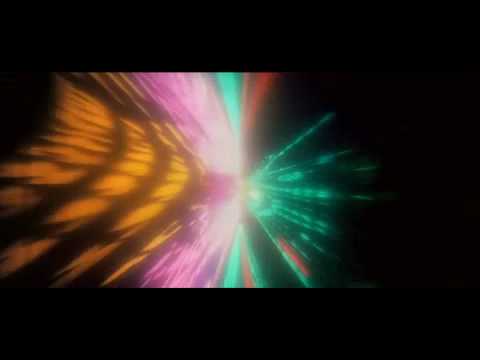
Image result for 2001 space odyssey stargate sequence
(Still shot from 2001: A Space Odyssey, Dir. Stanley Kubrick. 1968 - Star gate scene)

I took inspiration from the film 2001: A Space Odyssey, Dir. Stanley Kubrick, 1968. There is a scene towards the end of the film, where the protagonist is travelling through the 'Star Gate', which is extremely powerful in it's visual interpretation of space travel. It has lots of layers, and for its time its astounding that the impact the sequence still has on the viewer is as effective as it was back when first released. I wanted to emulate this kind of sequence, after researching how this actual sequence was put together, I knew I couldn't actually achieve this aesthetic, but I could create my own take on it and so I began to think of ways that we could. After discussing with


CAMERA SETTINGS
f/3.6
ISO - 40
Shutter Speed - 1/50 
White Balance - 5000K
UNGRADED
Track & Dolly
UHD(4K) - 25FPS
MONDAY 8TH APRIL
We booked out the room for Tuesday 9th but had set up the room on the 8th so that we could prepare for the actual shoot day with the actors. Aimee and Ebony had set the green screen up, and I had the camera sorted, unfortunately we did not have the track and dolly for this day as Drey and George had it booked out. So for this practice run through I thought on my feet and had Will push me on a wheeled chair whilst I held the camera. This technique unfortunately didn't really have the desired effect that we had hoped for. The footage from it was too jittery and extremely hard to keep the target in focus, as my arms were being jolted by the wheels changing direction continuously. The green screen however looked fine, and I had Aimee do a quick test of the green screen before we shot with the actors just so we knew it would actually work. We did find that the green screen wasn't evenly matched with the lighting, so I manoeuvred the lights at an equal distance and at the same light strength in the hope that it would come through to the edit with a clean back drop once we corrected it. Another issue I had was trying to keep the object in focus for the track in, which I was struggling with massively, so I thought it would be best to use the auto-focus on the camera. I switched from using the manual focus to auto-focus in the practice run and immediately felt more comfortable. All my responsibility now was keeping the object/character in the centre of frame, which was much more manageable. Furthermore, I spoke to Ferg briefly about our concept and goals with the green screen, and he was extremely informative about how to get the best out of it and what things to avoid whilst using it. He stated that you need to have quite a distance between your subject matter and the green screen, to make sure that the green screen is not in focus/not sharp so that when you apply the alpha key (essentially turning it black) it's super smooth and the image that is presented on it looks authentic. I took the information on board, went back into our set up and started to make the distance between the subject matter and green screen bigger by moving it back. 

As well as the green screen footage we needed, Will also wanted to re-shoot certain shots from scene 9 and scene 14 as he wanted more of a performance from the actors, so me and Callum set up at the location in preparation for filming. These scenes were when they first take the drugs, and when they begin the podcast. We were unfortunately not going to have Andrew their for recording, as he had prior arrangements, at first this didn't seem as such a negative, as in the majority of the groups head we were just getting more coverage and we wouldn't actually need sound. However Will had wanted to shoot the scene from the top, with sound, this obviously must of got lost in communication, so we had to make the best of a bad situation, and Aimee had to jump on the sound. 


(Green Screen test footage)

(Practice run through of the green screen footage, Monday 8th)

TUESDAY 9TH
It came to the actual filming day with the actors, and as everything was pretty much set I wasn't nervous at all about how the day would pan out. We got to the studios with the actors and began filming. A bonus was that Drey and George had finished with the track and dolly so we were thankfully able to utilise it. I wanted to use the track and dolly to give this production more of a dynamic feel, as discussed in the group after watching our rough cuts, we felt there wasn't anything that particularly blew us away with our piece. It did get me thinking about our shoot days, and why we didn't try more dynamic camera movement, however Will was pretty consistent with what he wanted, I would try to spice it up, some idea's were tried and others were met with resistant resulting in not attempting. Anyway, we knew that this particular shot would add a greater depth to the narrative and would piece the hallucination parts together, so we had to master it, and we did, several times. We did it from several angles, moving only the track and dolly, and the subject would stay where it is, so in the edit, we could do a extremely fast paced cuts between each character, and clearly indicating which character's hallucination we were about to enter. We felt we had to make this clear as the prior viewings to our rough cut had been met with questions over confusion about whose mind we enter first. Then we went back to our main location to record more coverage and to re-shoot from the top scene 9/14 collectively. Myself and Callum had set up the mise en scene on Sunday, so we were all ready to go once the crew and cast arrived. This sped the process up massively, saving us a lot of time sorting everything out when the actors were on set. 
As I mentioned earlier regarding the miscommunication amongst ourselves about shooting scene 14 from the top, and not having Andrew for our sound, did impact slightly on our stresses on the day of filming. 


EQUIPMENT LIST - 
Track & Dolly 
Tripod
Panasonic DVX 200
Tungsten lights
3x LED Lights
Green Screen 


SET UP FOR GREEN SCREEN -


WHY
The whole reason of this re-shoot for more coverage, was to add more dynamism and production value to our project. I knew we needed something to piece together the hallucinations and to also signify clearly to the audience whose mind we were entering first/next. So that's why I came up with this concept, which I feel we successfully pulled off. It's up to Aimee now, what she wants to project onto the green screen, but some kind of effect that emulates a similar aesthetic to that of Kubrick's, 2001 Space Odyssey, will be the desired one. The framing for the shot was quite tight, I made sure to do a mid shot, mid close up, close up, and extreme close up. As i've been an editor before for other projects, I always know how valuable it is to have as much footage to play around with, and from experience, the more footage you have, the better. Obviously from the practice run the day before we knew shot for shot what we needed out of this, but when it came to the day I experimented after getting the essential shots, and had the actors face the wall, and on my command I would have the turn and stare down the camera lens. This was just a quick idea that came to my mind, I thought it could work in the edit, but i'm not sure if Aimee will use it. In my head a slow track in and then when I shouted 'Go' they'd turn and I'd increase my tracking speed, seemed quite jarring and unsettling, which is what their character's mind state would be like. After research as well, in relation to how to make your characters seem as if they're in a challenging psychological state, you're meant to play with the movement a lot, and how you have your subject matter set in your composition.   


To conclude, I felt that the day's of filming were a success, from my perspective in terms of the camera work, as I captured what I set out to and hopefully adding more depth and dynamism to our project. We need to see how it will come up in the edit now, with imagery and vast sound effects essential to making this narrative far greater than it currently is. As we're approaching the end, I can see it slowly being pieced together, bit by bit, maybe not at the rate that I would like, but unfortunately there isn't anything I can do about that. 


Monday, 8 April 2019

Major Production - More colour grade research


I decided to further develop my understanding of colour correction and started to read several books which covered many different aspects of colour grading which I hadn't even crossed my mind. Before this project I took the colour grade for granted, and did not expect it to be as time consuming as the research has led me to believe. I now know after this extensive study of the element that a lot of time and precision will be needed to carry out this task.

Following on from that, I discovered that they are six key components to what a colour grader should be focusing on. These are called:


 THE SIX LABOURS OF THE COLOURIST 

CORRECTING ERRORS OF COLOUR AND EXPOSURE
Images acquired digitally almost never have optimal exposure or colour balance to begin with. Just one example of this is that digital cameras deliberately record blacks that aren’t quite at 0 percent in order to avoid inadvertent crushing of valuable shadow detail.

MAKING KEY ELEMENTS LOOK RIGHT
Every scene has key elements that should be the focus of the viewer. In a narrative or documentary video, this is probably the people in each shot. In a commercial, this is undoubtedly the product being sold (the colour of packaging or the glossiness of a vehicle). Whatever these key elements are, your audience will likely have certain expectations of their appearance (referred to in this book as audience preference), and it’s your job to navigate the difference between the uncorrected shot and the preferred image characteristics that correspond to the key subjects within. A common example is one of the guiding principles of colour correction: All things being equal, the skin tones of people in a scene should look as good as (or better than) those in real life.

BALANCING SHOTS IN A SCENE TO MATCH 
Most programs, narrative or documentary, incorporate footage from a variety of sources, shot in multiple locations over the course of days, weeks, or months of production. Even with skilled lighting and camera crews, differences in colour and exposure are inevitable, even in shots being combined within a single scene. When viewed together in an edited sequence, these inconsistencies of colour and contrast cause individual shots to stick out, making the editing appear uneven and throwing the audience out of the scene. With careful colour correction, all the different shots that make up a scene can be balanced to match one another so that they all look as if they’re happening at the same time and in the same place, with the same lighting. Although this has traditionally been referred to as scene-to-scene colour correction, I refer to it in this book as a process of shot-matching and scene-balancing.

CREATING STYLE 
Colour correction isn’t just about making every shot in your program match some objective model of colour balance and exposure. Colour and contrast, like sound, provide another level of dramatic control over your program when subtly mixed and adjusted. With imaginative grading, you can control whether the image is rich and saturated or muted and subdued. You can make shots warmer or cooler and extract detail from shadows or crush it, all with a few turns of a dial or trackball. Such alterations change the audience’s perception of a scene, setting the mood.

CREATING DEPTH 
As Vittorio Storaro says in the 1992 documentary Visions of Light, one of the cinematographer’s jobs is to create depth in an essentially two-dimensional medium. With the tools available in modern grading applications, this task also falls to you to implement where improvements to the original image are possible. This has nothing to do with stereoscopic imaging and has everything to do with simple, two-dimensional principles of how colour and contrast affect our depth perception in various scenes.


'The more you know about how colour and contrast is manipulated on location through all of the tools of the cinematographer’s craft, the better you’ll be able to analyze and manipulate each clip. Furthermore, the more you know about how a film crew works, the better you’ll be able to conduct the detective work necessary INTRODUCTION xxi to figuring out why one clip isn’t matching another. ' (Hurkman, 2010:21)


WHAT HAS BEEN APPLIED TO THE PROJECT FROM THIS RESEARCH & WHY IMPORTANT 


image
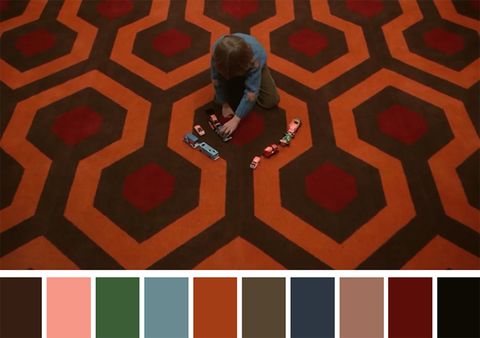
(The Shining, 1980. Dir, Stanley Kubrick)


THE COLOURIST’S RELATIONSHIP WITH THE CINEMATOGRAPHER

Many, many people involve themselves in the postproduction process. As a colourist, you’ll find yourself working with the producer, director, and cinematographer in different proportions that are unique to every project. The cinematographer’s job during the shoot is to work with the director to plan for and implement the look of the program while it’s shot. Choosing specific digital formats or film stocks, camera equipment, and lenses, as well as determining the quality of lighting, are all decisions within the cinematographer’s domain of responsibility, as is the ultimate quality of the recorded image. For that reason, the cinematographer has a vested interest in your activities. It’s worth emphasizing that if a good range of color and contrast isn’t shot during the production, you won’t have the data necessary to do a good job—you can’t really add anything that wasn’t there to begin with. In this regard, the cinematographer isn’t working alone; you should also consider that the art department (set design/dressing, props, wardrobe) exerts direct control over the actual range of colors that appear in each and every shot. Visually, the filmmaking process is a symphony of artists working with paint, fabric, light, and optics to create the image that is ultimately entrusted to your care. Although the producer or director usually has the final say over the creative aspect of your work, the cinematographer should be involved in the color correction process as well. This is usually dependent on the size and budget of the project, as well as the creative relationship of the principals. Typically, the higher the budget, the more involved the cinematographer will be.

I thought it would be important to highlight the research found for the relationship between the cinematographer and colourist as I'll be both. There is a key correlation between the two, one cannot work without the other and they need to be in sync, shots need to be thought about for the post production side of things for a project to get the optimal level of work. In short, this detailed research of the six labours of the colourist has helped me approach the colour grade in a completely different way to what i'm used to. It has made me realise that I need to make sure I bring the subject matter in focus within the scenes that are appropriate. I'll need to collaborate with Will as well to maximise the colour grade as I can find out from him what he wants to be the main focus of the shot for the audience to be engaging with.


image

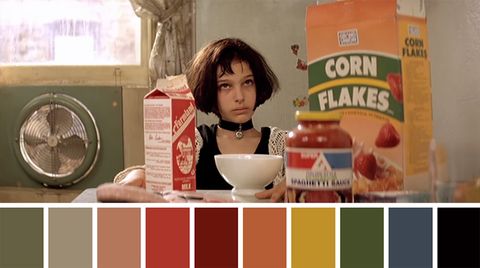
(Leon: The Professional, 1994. Dir, Luc Besson)

With this colour grade of this screenshot from the film Leon:The Professional, you can see the colour palette is quite subdued in terms of colour, they're not saturated, more so quite dull and lethargic colour tones which put emphasise on the story and the characters within it. These moods that the colours represent convey not only the narratives themes but the characters struggles throughout this film. Natalie Portman's skin tone looks the same as the wall behind her, this is evidently intentional as we are meant to assume that she is going through some hardship, quite an ugly one, as the similar tones between herself and the wall denote this. Everything on the table seems to be sapped of saturation, when usually all of these items would pop with colour, this is because the characters are run down, so to put emphasis on that they've dulled the palette and taken away the saturation for this reason. 
I chose to dissect this specific film because of the subtle desaturated look it presents. As our film would be using quite a heavy saturated aesthetic to add to the surreal tones to our piece, I thought it'd be a good idea to look at something completely opposite to gauge how far down the other end of the spectrum I should go. One thing though that I will be applying to my process of the colour grade will be trying to emulate the consistency of this film. The colour palette is evident throughout the entirety of the film and that's something that i'm striving for as it adds another layer to your film in my opinion. I think this can be achieved by manipulating my footage to have a similar temperature, like this piece here, it has quite a nullified, slightly warm look, where as I want a much more saturated aesthetic. Obviously this film needs a desaturated aesthetic as it's content warrants such, because of the violence and innocence displayed within it, it must have a balance, which why it results it this very beautiful aesthetic. 


image


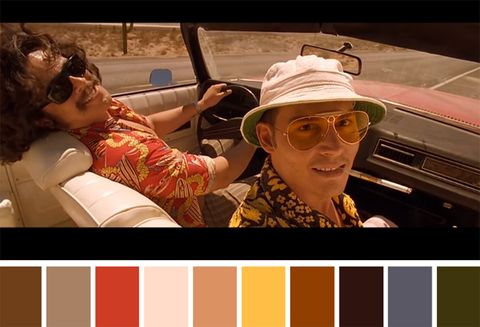
(Fear And Loathing In Las Vegas, 1998. Dir, Terry Gilliam)
Within this film, Fear and Loathing In Las Vegas, once again their is a clear stylistic colour grade that heightens the narratives plot and drives it forward. The colour grade brings to life the hallucination scenes and is one of the major reasons I want to dissect this film for it's colour grade. Throughout the entire film there is a specific colour palette used, stated above. It's a very vibrant, surreal and vivid aesthetic deployed throughout the majority of the film. Then once we get onto the hallucination the colours simmer down and the darker tones tend to appear, more of the browns, blacks and navy's. There needs to be a change within the colour grade for these scenes as the colour grade has a major role in allowing the audience to realise the change of mental state for these characters. Without the change in colour grade, the audience may not realise what the characters feel. What I found extremely useful from this anaylsis is that i'll apply this to our projects hallucinations, making them a completely surreal colour tone to juxtapose against the colour tone of when they're recording their live podcast. This will highlight the change of mental state of each character, helping the audience gauge what's unfolding within the narrative. 
I believe this film was incredibly successful in the way it's colour grade demonstrated the characters minds during the hallucination scene, but also how the saturated colours were made to seem normal when they were juxtaposed to the hallucination scenes. I aspire to colour grade how this film was, but I know for sure that most of the film was shot like this first, and then a tint would of been applied onto the exposed film. The skin tones look relatively peachy throughout the skin, and you don't question this because you know the concept of the narrative so if anything it makes even more sense to do so. The fact that they look unrealistic enhances the viewing experience because you're allowed to submerse yourself into this bizarre and surreal story. This is definitely something that I want to try to achieve with our project, I want to make it look surreal with the colour grade by making the skin tones slightly off, making them potentially peachy or of a similar colour because I know that this aesthetic would work well for our project. I'll just need to try it once we get to the post production.


Reference - 

Colour correction handbook - Professional techniques for video and cinema, 2nd Edition 
Alexa Van Hurkman - Published 2010. 

Friday, 5 April 2019

Major Production - Research on effective film trailers


As I was in charge of creating the trailer, I thought it would be wise to research how to create effective trailers. I started by watching several trailers and delving into what actually makes them successful, distinguishing themselves from the rest.  


Remember the trailer is also a story

'A trailer shouldn't just play like a showreel of the film's greatest hits. Just like any edit, a strong narrative is key. Don't get bogged down trying to tell the whole story, but find a strong narrative through line. You're creating an adaptation, an abridged version of the same story so find the core theme and build around it.'

I've watched a mixed bag of trailers, some good, some bad, and what i've noticed with the bad ones is that they present the whole film, just an extremely shortened version, showing the supposedly best bits of the film in the hope that it attracts the audience, which is a huge gamble, and often works to grab the audience in to pay to watch it, however then fails at being a convincing film. 
EXAMPLES OF BAD TRAILERS/ 
Image result for velvet buzzsaw
(Velvet Buzzsaw, Dir. Dan Gilroy)

One prime example of this is a film trailer I watched recently, then going on to watch the actual film with such high expectations, is Velvet Buzzsaw, Dir. Dan Gilroy. Having watched Dan Gilroy's Nightcrawler, I already had quite a biased judgement of the quality of the film, as I found Nightcrawler to be a hugely successful film, with a fantastic original narrative & technically sound as well. So that's why after I watched the trailer for this film I was pretty ecstatic and hyped for the release, which would be straight to Netflix, which was my only reservation for the film, as I do question big directors/big cast list films that go straight to Netflix, as I feel they have less of a soul than films that go to the cinema first. However I believe that this is the way film is going, unfortunately. Back to my point, the trailer clearly had the right effect, gripping me, leaving me wanting more and preparing myself for the release date. Unfortunately, I was majorly let down and my expectations plummeted after the first 10 minutes of the film, I began to question the script, the technical style, (or lack of) the bland narrative arch, the motivation of the characters, their back stories, it lacked quality in every department. The cherry on the cake though was that the trailer left me knowing every detail to each of the characters death, the trailer had left nothing new to be witnessed by the audience. So for that reason, the trailer presenting pretty much the entirety of the film, makes it a floored and pretty poorly assembled trailer. 

https://www.youtube.com/watch?v=XdAR-lK43YU

Deconstruct the film

'It's important to disconnect from the film and pull it apart so it'll become the building blocks if your trailer. Think about the film being a completed jigsaw. You need to pull it apart and find the pieces to make a new, smaller (but no less complete) picture. It's important to see each visual unconnected to the film so you can repurpose it into your new adaptation of the story.'

EXAMPLES OF GOOD TRAILERS/
Image result for Sorry to bother you
          (Sorry To Bother You, Dir. Boots Riley)

A perfect example of a really successful film trailer would be for the film Sorry To Bother You, Dir. Boots Riley. This film adopts all the techniques that a fantastic film trailer uses i.e deconstructing the film, highlighting who the main protagonists are, withholding some of the best bits and keeping stuff hidden until you actually watch the film. The trailer introduces us to the world that the protagonist lives and the struggles that he faces. It is presented in a way that suits the style of the film and adheres to the genre of comedy. This is done by it's punchlines and quick rythmic editing style and the colour grade given to it, clearly making it a comedy. This trailer is a success because it grabs you straight from the off, you can see the clear arch and the characters conflict along the way through the trailer, he needs a job as he's struggling to pay rent, he finds a job and realises it's morally questionable, it's either the job or his girlfriend, he thinks it's a easy decision until the fee of the job is disclosed then the conflict and chaos erupts. Now seeing as i've viewed this film I know that there is an extra 20 minutes of the narrative that has no spotlight shined on it whatsoever in the trailer, and those 20 minutes are extremely pivotal to the narrative! This therefore comes as a complete surprise whilst viewing the film in the cinema, making for an even more special and intimate experience, (Obviously not if you didn't watch the trailer before the film) so therefore the trailer has been successful in the sense that it has won you over without even needing to show you the the full narrative arch. The music used throughout the trailer is energetic, pulsating and extremely catchy, this reinforces the general themes and tone of the film, and what we're to expect when we go to see it. Overall this film trailer was effective in its usage of specific scenes and how it managed to present itself as the full film, it was cleverly put together. Whoever is reading this, if you haven't already, please go and watch this film!  
Trailer link -

https://www.youtube.com/watch?v=PQKiRpiVRQM


Remember your characters

'Try and give the main characters a moment that defines them in the trailer. Giving the actors a little time to shine within their performances will give your audience people they can identify with.'


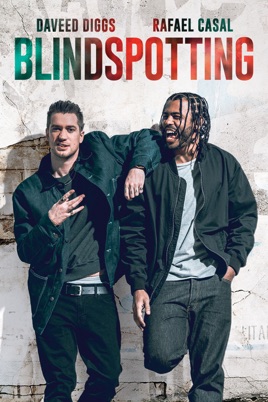
BLINDSPOTTING -
Image result for Blindspotting
(Blindspotting, Dir.Carlos López Estrada)

After watching Sorry To Bother You and Blackkklansman, I started reading reviews of the films, which lead me onto the film stated above, Blindspotting. I believe the trailer for this film has successfully utilised every technique the creators of it had to their disposal. Its held the protagonist at the forefront of the trailer, Collin Hoskins, played by Daveed Diggs, shown him travelling on his arch laying bare some of the conflicts he faces a long the way. I believe this is a wonderfully pieced together trailer because of the rhythmic editing style it deploys, also how it strikes the balance between the serious and comedic value topics throughout the trailer. As the film is more of a poetical societal commentary of the american police brutality, the trailer knows how to play each scene for the audience to gauge what to be taken seriously. and what not to. Again, this is quite similar to it's structure to that of Sorry To Bother You, in the sense that it holds back once again, hooking the audience and then leave them wanting more. It presents a lot of powerful and moving imagery towards the half way point of this trailer that totally flips this film on its head. It starts as this light-hearted comedy, then suddenly turns into this chaotic, monstrous and unprecedented piece of drama which totally takes you by surprise. You feel anxious past this half way point, and it leaves you wanting to know if the protagonist has managed to survive his last three days on tag or not, and has he been locked back up again. The film sells itself at first as quite a cheesy, generic blanket release film that is covering pretty topical issues, however this is where I feel the trailer may of lost it's way a bit. As i've seen this film, I know what it's political message it's trying to convey, but also shed light on wider issues such as gentrification of urban areas and white washing things until the originality is lost. The trailer doesn't truly allow the audience to see the deeper meaning behind this film and for that reason it does not have the same success/effectiveness of a trailer than Sorry To Bother You. 
Overall though I will be taking techniques from this trailer such as the rythmic editing and cutting to the music. It intensifies the narrative and is able to grab your audiences attention much quicker. 


Trailer link -


To conclude I'm glad that I did this research before the making of it as i'll be applying everything that i've learnt from these trailers. I'll also look into TV series trailers, specifically sitcom ones to really gauge what I should be presenting and how much I should show of the project. I don't want to give away too much of the film, like Velvet Buzzsaw demonstrates, but on the other hand i'm not sure if our piece will have enough juicy content like Blindspotting or Sorry To Bother You, to avoid not using the juicy stuff. I obviously want to sell the narrative so in my mind putting the best scenes in there is my first reaction but I don't want to over sell it and then leave the audience bored because they know all the best bits. I'll have to think more carefully about how I approach this one when it comes nearer the time of creation.


With reference to -
https://www.creativebloq.com/audiovisual/perfect-trailer-51411685